
Day one of my D.C. adventure
Welcome to D.C.—a city of rich history, world-renowned museums, and, overwhelming metro stations. Unfortunately, it was Murphy’s Law Monday for me when it came to travel: about 20 wrong turns, three different navigation apps, and one very late graduate student.
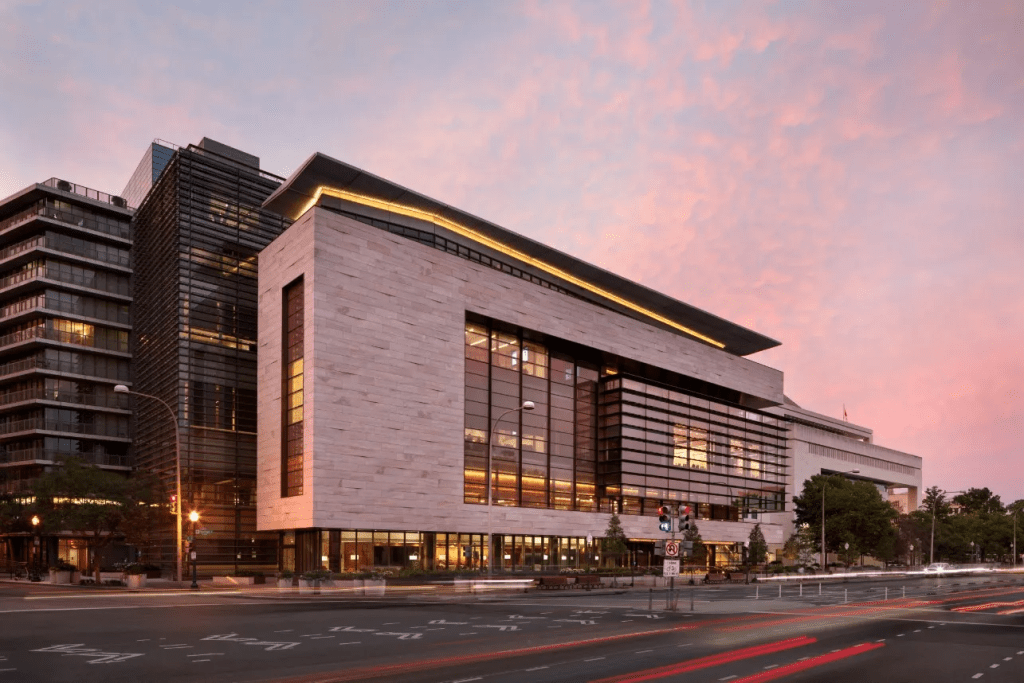
Once I sheepishly took my seat and became immersed in a live discussion, I was quickly reminded why I love this field. Our conversation explored how to expand the canon of democracy within museums in an inclusive and accessible way. As we shared stories, observations, and examples, I was struck by the commitment each of my peers demonstrated to advocating for the core principles of DEIA (diversity, equity, inclusion, and accessibility) in museum work. It helped bring a bit of hope back to my cynical view of the current state of our democracy.

After a brief lunch, we embarked on our journey to President Lincoln’s Cottage. I was immediately taken by the charming Gothic Revival architecture and the serene atmosphere. Our engaging guide, Paul, led us through the tour, and even though the rooms were largely bare, his compelling historical facts brought them to life. He also used audiovisual elements—like voice actors reading excerpts from Lincoln’s letters—that helped paint a vivid picture. I learned more about Mary Todd Lincoln today than I did in 12 years of public school. She went from being a static, black-and-white figure in my mind to a complex, intelligent woman, a loving wife, a compassionate First Lady, and ultimately a grieving mother.
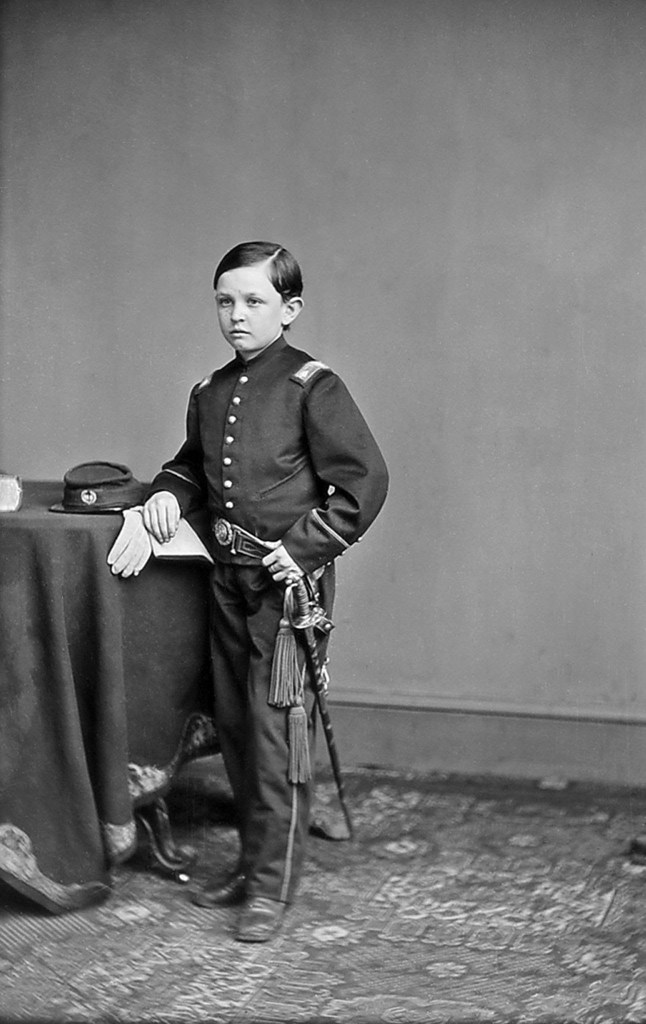
As a quick side note, one of my favorite insights was the title of third lieutenant given to Tad Lincoln by the infantry guards at the Soldiers’ Home. I can’t get over the image of his little uniform, complete with a sword just his size!
For me, the most impactful moment of the day was our conversation with Callie Hawkins, the Executive Director, after the tour. She was incredibly generous in sharing her professional journey and how personal grief has shaped who she is, both as a person and as a museum professional. She drew a powerful connection between her own lived experiences and that of Mary Lincoln. Grief is a timeless inevitability that, while painful, can forge an emotional link to the lives of people who lived hundreds of years ago. The work Callie has done surrounding grief in museum spaces is incredibly moving, and I look forward to seeing where her research takes her next. She leads with a level of empathy and compassion that is truly inspiring.






Leave a comment